Life StyleNews
Rising Human Death Toll from Motor Accidents in Northern Ghana Despite Declining Accident Numbers, Fatalities and Injuries Remain High

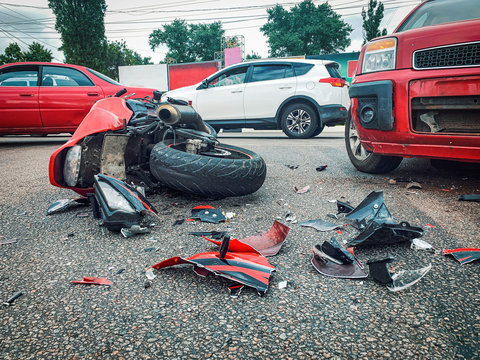
The human cost of motor accidents in Northern Ghana is surging, prompting alarm among residents, safety advocates, and public officials. Despite tighter road safety laws and campaigns — including mandatory helmet use — fatalities and life-altering injuries continue to rise.
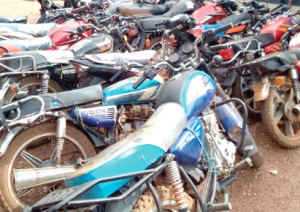
Disturbing Statistics
Figures from the Northern Regional Road Safety Authority reveal the scale of the problem. In 2022, the region recorded 135 motor accidents.
That number dropped to 78 in 2023 and 47 so far in 2024. While the trend may suggest progress, the death toll remains grim due to widespread non-compliance with helmet laws.
In Tamale, where motorbikes are the primary mode of transport, the risks are particularly high. Assistant Planning Manager of the Road Safety Authority, Misbawu Wundo, says more than 60% of road crash fatalities in the Northern Region involve motorbikes — often because riders are not wearing helmets.

“If 10 motorbikes pass you on the street, only one or two of the riders are likely wearing helmets,” Wundo said, comparing an unprotected head in a crash to “a watermelon smashing against the road.”
Families Torn Apart
The statistics mask a heavy human toll. Media practitioner Mohammed Gaddafi recalls losing a colleague in a crash because he was not wearing a helmet.
“Just a week earlier, we had celebrated the naming ceremony of his firstborn,” he said. “When we visited the family house after the burial, it was heartbreaking to see his wife and newborn.”
Personal Regrets
For Dr. Musah Yamba Issahaku, the problem hit close to home. His son, Ismail, was involved in three separate motorbike accidents while working as an okada rider in Accra.
“In the last one, he rode under a tipper truck. His skull cracked and he suffered broken bones. We spent so much to save him,” Dr. Issahaku said.
Ismail admits the accident changed his life:
“I lost my job, my sense of smell and taste. I used to be reckless, but now I tell the youth — learn from my story before it’s too late.”
Leaders Call for Culture Shift
Outgoing Base Commander Air Vice Marshal Joshua Lartei Mensah Larkai says strict training and protective gear requirements for military personnel are essential.
“We make sure they are well dressed, using their helmets. Apart from that, we don’t encourage our men to ride unless trained,” he explained.
From a faith perspective, Rev. Father Saaki of the St. Theresa Parish in Lamashegu warns that many young people risk their lives daily commuting long distances on poor roads, often without helmets.

The Way Forward
Road safety advocates say this is no longer just a transportation issue but a public health and socio-economic crisis. They are calling for more aggressive, community-led enforcement involving traditional authorities, religious leaders, and media houses.
The message remains simple: Wearing a helmet saves lives.
Until attitudes change, Northern Ghana will continue to pay a price far too high — in human lives.
Source:Fiilafmonline/Walkiyatu Issahaku