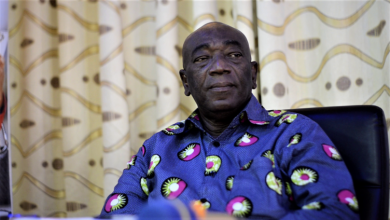
The University of Ghana chapter of the University Teachers Association of Ghana (UTAG-UG) says poor remuneration is making it increasingly difficult for Ghanaian universities to attract highly qualified academics, particularly professionals with PhDs.
President of the chapter, Dr Jerry Joe Harrison, said the challenge should be addressed by improving lecturers’ conditions of service and strengthening universities’ capacity to train their own academics, rather than having the regulator take over faculty recruitment.
Speaking on Eyewitness News on Wednesday, September 9, 2026, Dr Harrison said the low remuneration offered to lecturers was making academic careers less attractive to professionals in specialised fields.
“If you are being paid, you know, the kind of money that lecturers are being paid, which lawyer would want to leave their law practice, go pursue a PhD, and then come back to the classroom and come and teach?” Dr Harrison said.
He said the challenge was not limited to law but also affected other professional disciplines, including medicine, where practical experience is an important component of academic expertise.
Dr Harrison acknowledged that universities must strive to recruit highly qualified faculty but cautioned that rigid requirements could make it difficult to fill vacancies in disciplines where PhD holders are scarce.
He said professional experience should also be recognised as a source of expertise, particularly in fields where practitioners may be reluctant to leave lucrative professional careers for academia.
His comments come amid UTAG-UG’s ongoing criticism of the Ghana Tertiary Education Commission (GTEC) over its decision to advertise faculty positions for various public higher education institutions.
UTAG has argued that the recruitment of academic staff should remain the responsibility of individual institutions and their academic and governance structures.
Dr Harrison said if GTEC’s concern is that universities are struggling to find qualified academics, the commission should instead help institutions develop the capacity to produce more PhD holders.
“As an advisor, if an institution is having difficulty recruiting, you could easily help the institution to set up a PhD programme, through which they can channel people who can then come back and help the institution,” he said.
He said such an approach would provide a more sustainable solution to faculty shortages by enabling universities to train academics in areas where specialised skills are in short supply.
Dr Harrison added that universities already consider national priorities when determining their research and training needs and could similarly identify areas where additional academic capacity is required.
“Nothing is wrong with that,” Dr Harrison said, arguing that institutions facing shortages in particular disciplines could be supported to develop programmes that produce the expertise needed by both universities and the wider economy.
He maintained that GTEC should focus on its regulatory and advisory responsibilities rather than taking over the recruitment of academic staff.
“We must be guided by the requirements, we must be guided by the availability, we must be guided by the quality of the people that we are receiving,” he said.
Source:Fiilafmonline/CitiNews