Life StyleNews
Norsaac Executive Director Calls for Alternative Funding Amid U.S. Government’s Stop-Work Order

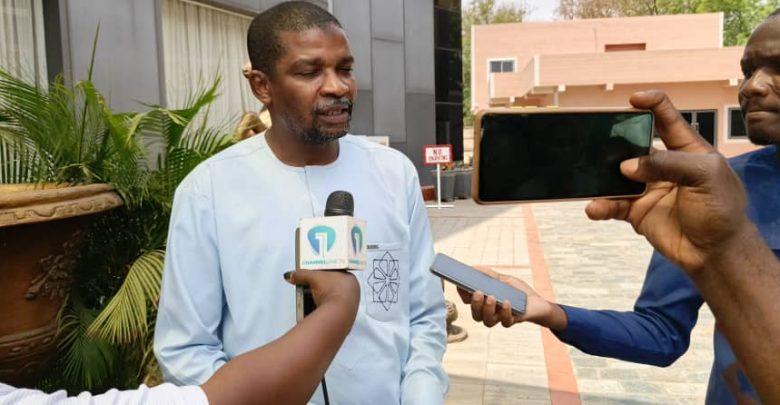
The Executive Director of Norsaac, Mr. Mohammed Awal Al Hassan, has called on stakeholders to explore alternative funding sources following the U.S. government’s stop-work order, which has impacted key sectors such as health, infrastructure, employment, and the economy.

The stop-work order, which has disrupted several development projects, is expected to be revived for 90 days.
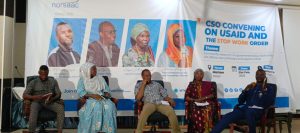
Speaking at an event themed “Community Voices on the U.S. Government Stop-Work Order: The Effects, New Pathways, and Opportunities,” Mr. Mohammed highlighted the negative impact of the directive on communities and households in Ghana.
He noted that while the U.S. government has historically supported Ghana’s development efforts, the uncertainty surrounding the resumption of funding calls for a national response. “Ghana is feeling the impact negatively, and we need to find alternative means to sustain development initiatives,” he said.
He revealed that Ghana receives approximately $156 million in budgetary support for sectors such as education, health, and sanitation, with Northern Ghana being one of the biggest beneficiaries, receiving over $200 million for programs like peacebuilding, social and behavior change, and resilience initiatives.
Mr. Mohammed further stressed that many organizations have been affected, stating, “About 70% of Norsaac’s budget has been lost due to the freeze.”
He urged the government to leverage the Ghana Beyond Aid policy to diversify development funding and called for immediate negotiations on GDP allocations to sustain social interventions.
He also encouraged civil society organizations to play an active role in scrutinizing the 2025 national budget when presented to Parliament to ensure that the President’s directive to the Finance Minister is adhered to.
The keynote speaker, Alhaji Hamza Ahmed Tijani, Anglophone Africa Program Lead at the Institute for Innovation in Law, described the USAID funding freeze as both a challenge and an opportunity.

While acknowledging its short-term setbacks, he emphasized that it could also catalyze innovation, resilience, and self-reliance among NGOs and the government.
Alhaji Hamza stressed the importance of revisiting the Ghana Beyond Aid agenda, stating, “For me, the biggest opportunity missed was our failure to fully implement the Ghana Beyond Aid agenda that we proclaimed over eight years ago.
This vision aimed at building a self-reliant, prosperous Ghana that could compete globally through trade and investment rather than aid dependency.”
He further outlined key strategies for navigating this financial challenge, including:
Strengthening self-reliance
Diversifying funding sources
Enhancing local capacity building
Boosting indigenous philanthropy
Advancing policy advocacy
As Ghana faces the ripple effects of the U.S. funding halt, stakeholders are urged to take proactive steps toward sustainable development financing.
Source: Fiilafmonline/Walkiyatu Issahaku