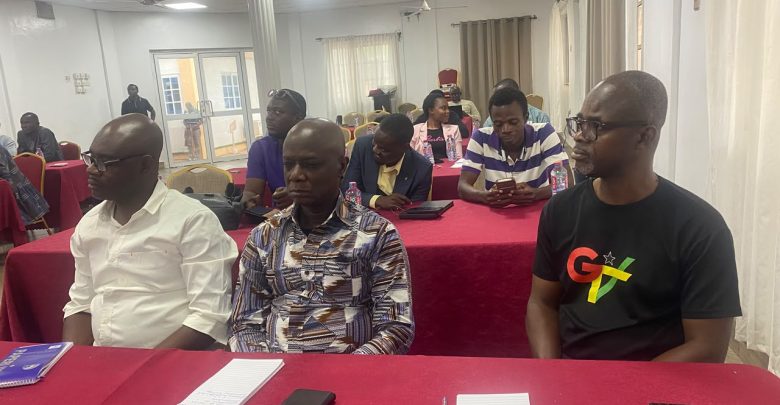
Communication and Information Specialist at UNESCO, Mr Hamid Yakub, has urged journalists to consult documentary heritage and historical records to uncover new perspectives and provide deeper context to their stories.

He said documentary heritage contains valuable historical information that journalists can use to fact-check reports, establish context and develop fresh angles to contemporary issues.
Mr Yakub said journalists could, for instance, consult previous national budgets and compare them with current developments to produce more comprehensive and evidence-based reports.
He noted that institutions such as the George Padmore Research Library and museums in Ghana contain important records on slavery, colonialism, post-colonialism, independence and Pan-Africanism.
Mr Yakub said UNESCO would maintain continuous engagement with trained journalists and encourage them to explore less familiar angles in their reporting through the use of documentary heritage.
The Queen Mother of the Nagodie Traditional Area in the Upper East Region, Mrs Prisca Na’ Ambome Yeuzie, said documentary heritage is essential for safeguarding Ghana’s history, cultural identity and indigenous knowledge for future generations.
She said documentary heritage provides important evidence of historical transformation, cultural identity and knowledge systems that have shaped Ghanaian society and must therefore be treated as an important national asset.
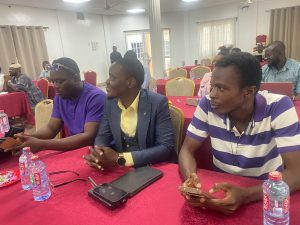
Mrs Yeuzie made the call while presenting on the relevance of documentary heritage in Ghana and across the world at a two-day workshop organised by UNESCO.
The workshop formed part of UNESCO’s Memory of the World Programme, implemented under the Advancing Preservation of African Documentary Heritage project, with funding support from the Japan Fund in Trust.
The programme seeks to promote the preservation, accessibility and use of documentary heritage as a means of safeguarding historical knowledge and cultural identity for present and future generations.
Source:Fiilafmonline/Walkiyatu Issahaku