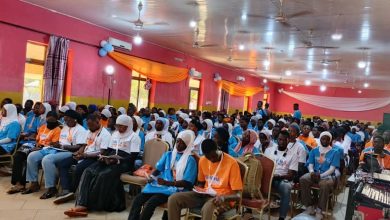
A regional stakeholders’ engagement forum on anti-corruption has been held in Tamale as part of the consultative process for Ghana’s upcoming National Ethics and Anti-Corruption Action Plan (NEACAP) 2026–2030. The initiative, led by government, provides a platform to gather input from stakeholders on how to strengthen ethics, transparency, and accountability in Ghana’s development agenda.

The new plan builds on lessons from the previous NEACAP (2015–2024), which was hampered by weak political commitment and inadequate funding.
Addressing participants, the Northern Regional Minister, Mr. Adolf Ali John, described corruption as a major threat to democracy, public trust, and sustainable development. “Regrettably, this canker continues to devastate our society, retarding our collective efforts towards progress. This is against the background that as Ghanaians we consider ourselves deeply religious, filling mosques and churches on Fridays and Sundays,” he noted.
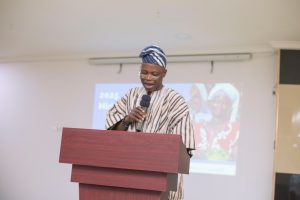
He stressed the need for a deliberate policy initiative not only focused on punishment but also on instilling ethical orientation and higher moral standards. He emphasized that combating corruption requires collective efforts by government institutions, civil society, the private sector, and the general public.
A Policy Analyst at the Office of the President, Dr. De-Graft Johnson, highlighted corruption’s damaging effects on investor confidence and institutional strength. He explained that the new plan will adopt inclusive strategies to restore public trust and ensure equitable development. “The forum focuses on prevention, education, institutional strengthening, enforcement, and robust legislative and policy reforms to create a coordinated, inclusive, and evidence-based framework,” he said.

The consultative process, which began in Accra, is being extended to the regional level to capture diverse perspectives before the finalization of the plan. The NEACAP (2026–2030) will also align with international standards such as the United Nations Convention Against Corruption (UNCAC), which requires member states to adopt preventive and enforcement measures.
To ensure effective implementation, government has constituted a working group comprising institutions, civil society organizations, the judiciary, and subject matter experts to oversee the development of the new anti-corruption framework.
Source:Fiilafmonline/Walkiyatu Issahaku