The Public Utilities Regulatory Commission (PURC) has held a one-day public hearing in Tamale on the proposed 2025–2030 Multi-Year Tariff Review.
The session brought together key utility providers—GRIDCo, NEDCo, and Ghana Water Limited (GWL)—to present their tariff proposals and interact with stakeholders.
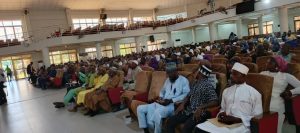
The public hearing attracted participants from across the Northern and Savannah Regions, including traditional authorities, civil society representatives, students, and ordinary consumers, who engaged the utility providers with questions and suggestions.
Speaking at the event, Dr. Kwabena Nyarko Otoo, a Commissioner at PURC, explained that the purpose of the engagement was to create a platform for dialogue between consumers and service providers.
He said the Commission values public input, as it helps shape the final decisions on tariff adjustments.
Chairperson of the PURC Stakeholder Committee, Hon. Nana Yaa Jantuah, emphasized that the hearing was meant to give utility providers an opportunity to justify the tariffs they need to operate effectively and make the necessary investments while ensuring that consumers continue to receive quality and reliable services.
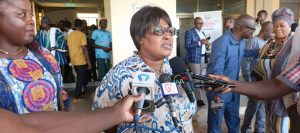
She encouraged participants to ask all relevant questions, stressing that the Commission would incorporate the public’s feedback in its final decisions.
“Mostly, the issues raised bordered on affordability and quality of service. The PURC will take into consideration all the concerns expressed here today as part of the final decision-making process.
We’ve taken note of what the chiefs, the people, and even the young students have said. I’m impressed by the intelligent questions they asked,” Nana Yaa Jantuah stated.
During their presentations, the various utility providers justified their tariff proposals:
• GRIDCo indicated that it is seeking about one million dollars to maintain and expand its operations. The company said electricity demand continues to increase annually, and the proposed adjustment is necessary to enhance transmission capacity and ensure system reliability.
• NEDCo explained that its high operational costs are due to its wide service coverage area and a large number of lifeline customers—about 39% of its total consumer base.
The company said it has invested in the construction of new substations to improve supply but still faces significant financial challenges.
• Ghana Water Limited (GWL) stated that its proposal aims to improve water production and distribution through the procurement of new equipment. The company also raised concerns about water pollution, particularly due to sand winning in Northern Ghana, which increases treatment costs.
GWL noted that up to 70% of raw water sources are filled with silt, leaving only 30% usable for treatment—a situation that greatly raises production expenses.
Officials from GWL appealed to traditional leaders and local authorities to take action against sand winning activities to protect water bodies and reduce treatment costs.
Source:Fiilafmonline/Walkiyatu Issahaku