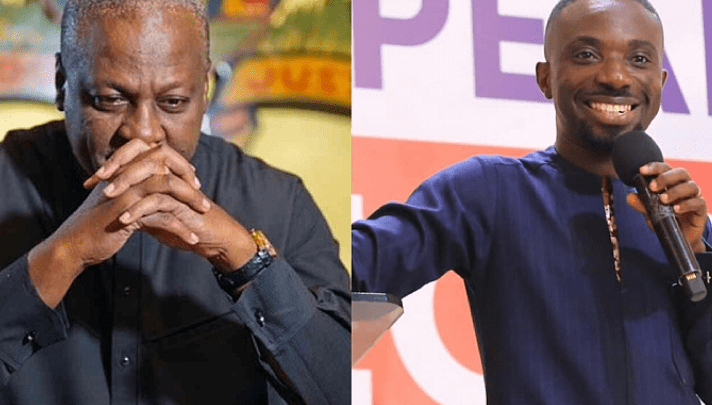
Dennis Miracles Aboagye, an aide to New Patriotic Party (NPP) flagbearer, Dr Mahamudu Bawumia, has accused the Mahama government of defeating the purpose of its “No-Fee-Stress” policy by requiring tertiary students to pay their fees upfront and seek reimbursement later.
Mr Aboagye, who is seeking to become the NPP’s National Communications Director, argued that the arrangement was inconsistent with the promise that students would not have to struggle to raise money before enrolling in tertiary institutions.
Speaking with Umaru Sanda Amadu on Channel One TV’s Face to Face on Tuesday, August 11, he said the government’s promise was to pay the fees of newly admitted tertiary students directly to their institutions, thereby eliminating the need for students and their families to raise the money themselves.
According to him, requiring students to pay first and apply for refunds later merely shifts the financial burden onto them and defeats the purpose of the policy.
“Not a single Ghanaian child has received stress-free fees. All of them. Not a single one. The two batches. What they have received, rather, is post-stress,” he said.
Mr Aboagye said the policy was meant to spare students and their families the financial pressure of securing loans or borrowing money to pay fees before they could begin their education.
He argued that the reimbursement arrangement means students must first go through the very financial stress the policy was intended to eliminate.
“The government promised those people that you don’t have to go and stress to look for a loan. That’s what the government called it. No-Fee-Stress. Now the government comes to office, and then he says that, you know, I said that you won’t go through stress. But you say, okay, go and stress. If you manage to find money in your stress and go and pay, then you can apply for a refund,” he said.
Mr Aboagye said the situation was particularly problematic for students from poor households who may not have the resources to pay their fees upfront, even if they are eligible for reimbursement.
He further argued that the current arrangement was not significantly different from existing student loan systems, where students raise money to pay their fees and subsequently receive financial support.
“When I went to the University of Ghana, my entire time at the University of Ghana, I used SSNIT loan. You know how SSNIT loan works. You go and look for the money, pay. Once you’re in the school, you apply, you get a refund,” he said.
Mr Aboagye maintained that the government’s campaign promise was not simply to reimburse students after they had paid their fees, but to remove the need for them to raise the money in the first place.
He also claimed that some students who had qualified for tertiary education were unable to enrol because they could not meet the upfront financial requirement.
“The effect is that there were a lot of poor Ghanaians who actually qualified for university and voted for this government, hoping that they would get access to university without stress, and they are still at home,” he said.
Mr Aboagye said the issue highlighted the importance of the opposition’s role in scrutinising government policies and drawing attention to gaps between campaign promises and their implementation.
Source:Fiilafmonline/CitiNews