Sports
Ignorant Ghanaian MP wants government to reform GFA constitution as ‘Football People’ pushback
The call by Manhyia South Member of Parliament Nana Agyei Baffour Awuah for Government to intervene and reform the Ghana Football Association (GFA) Constitution has sparked outrage among 'football people', as it raises fundamental questions about the lawmaker’s understanding of the structure and governance of football in Ghana.

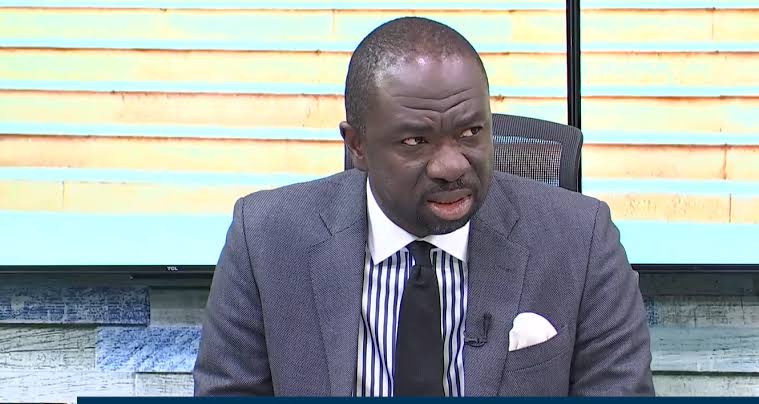
Speaking to Citi FM, the MP argued that Government should “step in” and called for reforms to the GFA Constitution, while also questioning the composition of the GFA’s and suggesting that school football and other interest groups are inadequately represented.
However, the current governance framework of the GFA tells a more detailed story.
The Ghana Football Association is the governing body of football in the country, with its statutes providing the legal and institutional framework through which the game is administered. Its Congress serves as the legislative authority of the Association, with responsibility for adopting and amending the statutes and taking other major decisions concerning the governance of Ghana football. The GFA currently publishes its Statutes 2025 as part of its official regulatory framework.
That distinction is important because a call for Government to simply “reform” the GFA Constitution risks confusing the role of the State with the internal governance responsibilities of the Football Association and its Congress.
The MP also questioned the representation of Schools and Colleges within the GFA structure. Yet Schools and Colleges are expressly recognised within the Association’s Congress framework. Under the current 2025 statutes, Schools and Colleges have representation among the recognised football stakeholders that make up Congress.
Indeed, football governance is not static. The GFA has amended its statutes at different points in its history, demonstrating that changes to the Association’s governance framework are possible when pursued through the appropriate institutional processes.
It is equally important to distinguish between Government’s legitimate role in supporting football infrastructure, national sports policy, youth development and the broader sporting ecosystem, and direct intervention in the internal administration of an autonomous football association.
For a lawmaker with a constitutional and legal background, the distinction between public administration and the internal governance of a sporting association should be particularly important.
The GFA can and should be scrutinised. Its policies, programmes, finances, competitions and governance can all be subjected to constructive public discussion. But criticism becomes less useful when it is built on claims that do not accurately reflect the Football Association’s own statutes and institutional arrangements.
The GFA Constitution is ultimately a matter of football governance, and any amendments must be pursued through the mechanisms provided by the Association’s statutes.
The national conversation on Ghana football is important. But if that conversation is to produce meaningful reforms, it must be grounded in facts, institutional understanding and respect for the established governance structures of the game.
Source:Fiilasports/ghanasoccernet