Governor of the Bank of Ghana (BG), Dr Johnson Asiama, has said that the BoG has received responses from banks to his earlier call on them to support Ghana’s export agenda by strengthening export finance desks, supporting agro-processing and non-traditional exports, and engaging more deliberately with African Continental Free Trade Area (AfCFTA)-related trade opportunities.
In the year ahead, he said the BoG expects this momentum to deepen, with banks playing a more active role in financing export-oriented enterprises, managing trade risk, and helping firms move from domestic markets into regional and global value chains.
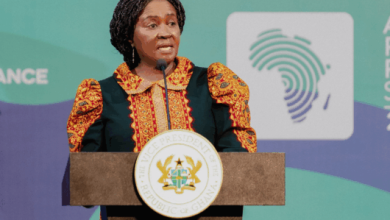
Speaking during The Governor’s Day, the annual banker’s dinner event, which was organised by the Chartered Institute of Bankers Ghana, on Saturday, December 20, 2025, in Accra, Dr Asiama said, “The banking sector must not sit on the sidelines of Ghana’s export agenda. You must help shape it; and this is the moment for banks to do more to design export-ready loan products, build sector-specific expertise, support risk-sharing and hedging instruments, invest in digital trade platforms, and actively walk with exporters from production to payment.”
He explained that when banks nurture exporters, they are not doing charity, they are expanding the country’s foreign exchange base, strengthening their own balance sheets, and deepening the resilience of the financial system.
Every container shipped, every processed good sold abroad, every new contract won, strengthens both the real economy and the banking sector that serves it. So let us commit to moving from isolated initiatives to a collective export finance strategy, he added.
He assured that the Bank of Ghana will continue to play its part, through policy stability, dialogue, and targeted regulatory support, but the energy, innovation, and scale must come from the banks.
“Ghana’s exporters are ready. Our young entrepreneurs are ready. The global market is open. What they need now is a banking system fully aligned with the nation’s drive to earn more, produce more, and compete globally. For boards and senior management, expectations will continue to rise. Governance will be treated as a core element of financial stability, with deeper engagement around risk appetite, internal controls, and accountability for outcomes.
“At the system level, reforms will move decisively from policy intent into routine practice. Supervision will become more forward-looking and risk-based, regulation more proportionate but exacting where vulnerabilities persist. Tolerance for repeated weaknesses will be lower, even as engagement remains constructive. As we strengthen supervision, we are also investing in how we work with you, improving clarity of guidance, streamlining internal processes, and providing more predictable timelines for approvals and regulatory engagement.
“Markets, too, will enter a new phase. The focus will shift from recovery to depth and diversification, mobilising long-term capital for a broader range of issuers and instruments, and strengthening the link between savings and productive investment. Payments, settlement, data standards, and digital rails will remain strategic priorities. Faster settlement, richer transaction data, interoperable platforms, and stronger fraud controls will increasingly define competitiveness and resilience,” he said.
Source:Fiilafmonline/3Buss