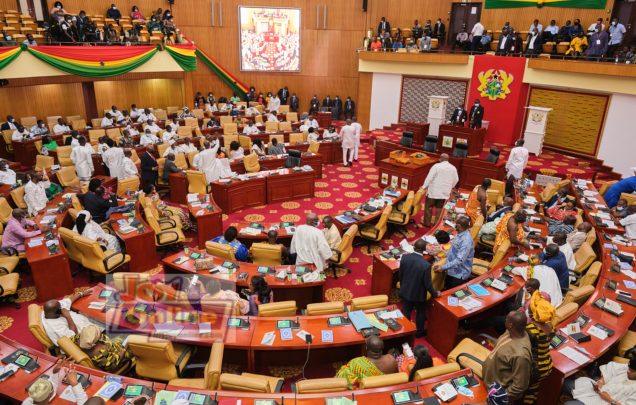
Parliament has passed the Education Regulatory Bodies (Amendment) Bill, 2026 making the acquisition of a Presidential Charter optional for private universities, removing the requirement for private universities to obtain a Presidential Charter within a mandatory six-year period.
Under the previous law, private tertiary institutions were required to secure a Presidential Charter within six years of operation. However, the government argued that the requirement posed significant challenges for many institutions due to the high fees payable to the Ghana Tertiary Education Commission (GTEC) and the strict timeline imposed.
The amendment now makes the acquisition of a Presidential Charter optional, a move the government says will provide greater flexibility for private universities while ensuring they remain under appropriate regulatory oversight.
The Education Committee of Parliament explained that maintaining the compulsory charter regime could have led to the closure of several private institutions that were unable to meet the deadline. Such closures, the committee noted, would have disrupted the education of thousands of students currently enrolled in those schools.
Speaking during the second reading of the bill in Parliament on Friday, March 13, Minister for Education Haruna Iddrisu defended the amendment, stating that the changes are intended to support the sustainability of private tertiary institutions without compromising academic standards.
“Government recognises the contribution of private tertiary institutions, numbering over 79, which have made significant contributions to the provision of higher education and quality education across the country,” Mr Iddrisu said.
The amendment, he explained, will now allow private universities to apply for a charter only when they believe they have satisfied the requirements to operate independently and award their own degrees and diplomas.
“So if an institution, subject to mentoring, thinks that it has satisfied the requirement and can be on its own, it may request to be chartered,” he said.
He added that the revised framework will allow private universities to continue operating while the Ghana Tertiary Education Commission maintains its regulatory role in overseeing quality and compliance within the sector.
Source:Fiilafmonline/3News